
Palm Beach County & Broward County Pool Experts
By Tobia Pools | Serving Palm Beach Gardens, West Palm Beach, Boca Raton, Jupiter & Port St. Lucie
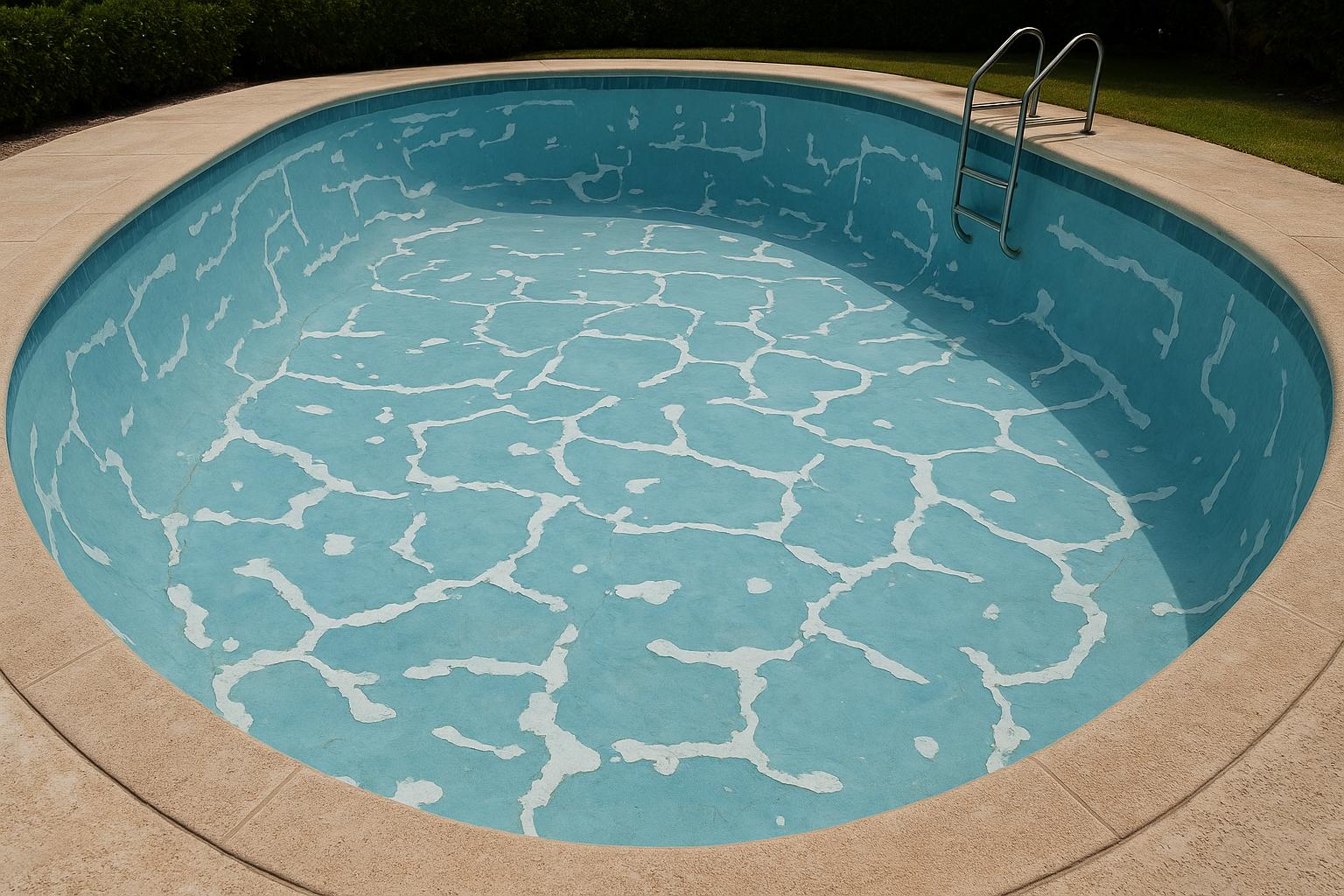
When a pool develops a crack, chip, or surface failure, many homeowners across Palm Beach County and Broward County are told that an epoxy repair will “fix it.” While epoxy has its place in swimming pool repair, it’s important to understand its limitations—especially when epoxy is applied inside the pool shell itself, not inside plumbing pipes.
At Tobia Pools, serving Palm Beach Gardens, West Palm Beach, Boca Raton, Jupiter, Port St. Lucie, and surrounding areas, we believe homeowners deserve clear, honest information about pool repairs and their long-term durability.
What Is an Epoxy Pool Repair?
Epoxy is a two-part bonding compound often used for:
- Cracks in pool plaster
- Chips in gunite or concrete pools
- Small voids around pool lights, returns, and fittings
- Surface fractures inside the pool shell
In many Palm Beach County pool repairs, epoxy is used to seal visible damage and temporarily slow water loss. However, epoxy does not correct structural movement or underlying causes of cracks.
Why Epoxy Repairs Inside the Pool Don’t Last
1. Pool Shell Movement in South Florida
Pools in Palm Beach Gardens, Jupiter, Boca Raton, and West Palm Beach are built in sandy soil with fluctuating groundwater levels. Over time, pools experience:
- Soil shifting
- Hydrostatic pressure
- Ground settling
- Temperature expansion and contraction
Epoxy does not flex at the same rate as gunite or concrete, causing repairs to eventually fail.
2. Epoxy Is Not a Structural Repair
While epoxy bonds well to the surface, it does not restore the pool’s structural integrity. If a crack is caused by:
- Ground movement
- Shell stress
- Improper drainage
- Hydrostatic pressure
…the problem will likely return. This is common in older pools throughout Palm Beach County and Broward County.
3. Pool Chemicals Break Down Epoxy Over Time
Pools in Florida are exposed to:
- Chlorine or salt systems
- Heat and UV exposure
- pH fluctuations
These conditions slowly weaken epoxy, causing it to become brittle, discolored, or detached.
4. Constant Water Pressure Works Against the Patch
Water pressure—especially in deeper areas—pushes continuously against epoxy repairs. Even professionally applied epoxy inside the pool can eventually separate or crack under pressure.
When Epoxy Pool Repairs Make Sense
At Tobia Pools, we may recommend epoxy as a:
- Temporary leak reduction solution
- Short-term repair before resurfacing
- Emergency patch to slow water loss
- Budget-conscious option while planning permanent repairs
Homeowners throughout Palm Beach Gardens, Jupiter, and Broward County often use epoxy as a stopgap—not a final fix.
Permanent Pool Repair Solutions
Depending on the issue, long-term solutions may include:
- Structural crack repair
- Pool shell stabilization
- Proper bonding and reinforcement
- Partial or full pool resurfacing
These options address the cause of the damage, not just the visible crack.
Why Tobia Pools Takes a Different Approach
If you’re in Palm Beach County, Broward County, or Port St. Lucie and have been told epoxy will permanently fix your pool, it’s important to ask:
- Why did the crack form?
- Is the pool still moving?
- How long is the repair expected to last?
- What permanent solutions are available?
At Tobia Pools, we provide honest evaluations and long-term repair options for pools across Palm Beach Gardens, West Palm Beach, Boca Raton, Jupiter, and surrounding areas.
Schedule a Pool Inspection Today
If your pool has cracks, leaks, or epoxy repairs that keep failing, it may be time for a professional evaluation.
Contact Tobia Pools—your trusted pool repair experts serving Palm Beach County, Broward County, and Port St. Lucie—to protect your pool investment for the long term.

